🏆From Research to Recognition: Winning First Place at LISEF!
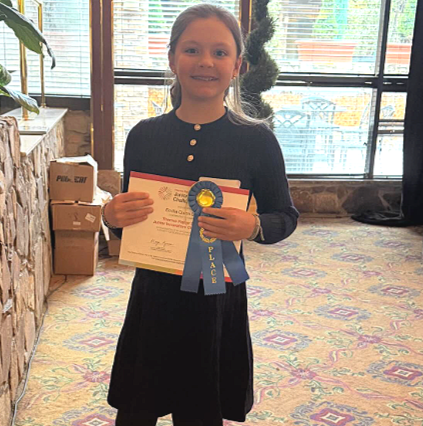
This year, I had an amazing experience at the Long Island Science and Engineering Fair (LISEF). After months of working on my project, presenting my research, and answering judges’ questions, I ended up winning first place. It was such an exciting moment and honestly a little surreal.
On top of that, I was also honored to receive the Lemelson Junior Innovator Award, which recognizes creativity and innovation in science projects. That made the experience even more meaningful, because it showed that the idea behind my project was just as important as the results.
Even more exciting, this means I might get a chance to travel to Washington, D.C. in October for Finals Week, where I’ll get to present my work again on a national level.
Shout outs
I want to thank CSHL learning center, Kellenberg Science club, and my mentors, Dr. Messina and Mr. Petracca, for all the help! I truly could not have done it without you!
Preparing the Board
One of the biggest parts of getting ready for the fair was creating my presentation board. The board has to tell the whole story of the project in a way that is clear, organized, and visually interesting. I spent a lot of time thinking about how to explain the research so that anyone walking by could quickly understand the question I was asking, the methods I used, and what I discovered.
Designing the board felt like putting together a puzzle. I had to decide where to place the introduction, the data figures, and the conclusions so that everything flowed logically. I also made sure the graphics and images helped explain the science instead of making it confusing. By the time I finished, the board didn’t just look good—it told the story of the project from start to finish.
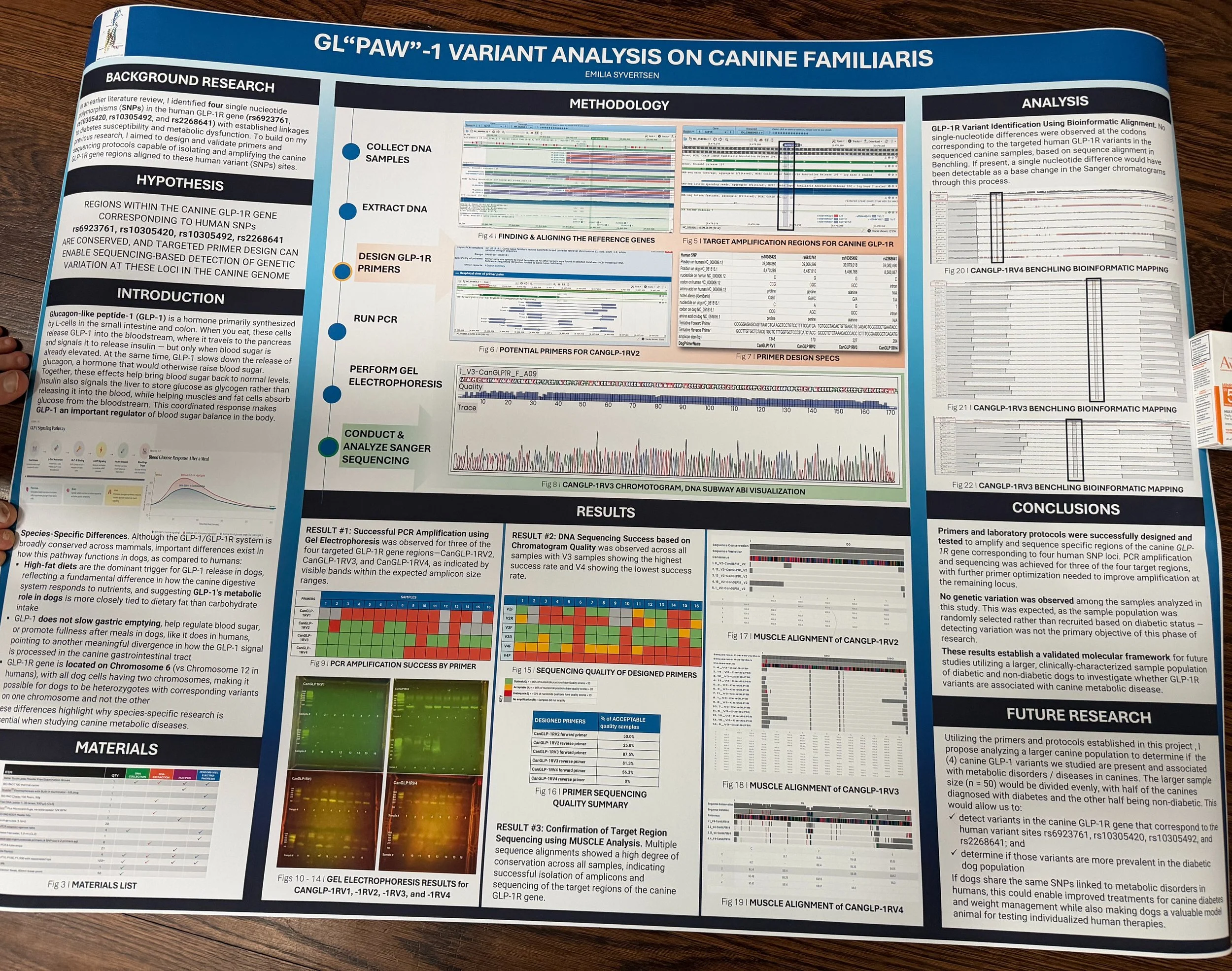
My LISEF board
This is my board that I presented with at LISEF!
📝 Writing the Narrative
Another important part of the competition was preparing my research narrative. This is basically the written explanation of the project: why I chose the topic, what problem I was trying to solve, and how I carried out the experiments. Writing the narrative helped me think carefully about every step of the project and explain the science in a clear way.
It also made me realize how much work had gone into the research—from designing the experiment to analyzing the results. Sometimes when you’re in the middle of a project you don’t notice how far you’ve come until you step back and write about the whole process.
💬 Talking with the Judges
During the fair, I had the chance to talk with the judges about my project. They asked questions about my methods, my data, and what the results might mean for future research. At first I was a little nervous, but once we started discussing the science it became really interesting. It felt less like being tested and more like having a conversation about something I was passionate about.
✈️ Looking Ahead to Finals Week
Winning first place means the journey isn’t over yet. I have the chance to travel in October to Washington, D.C. for Finals Week, where I’ll present my project alongside other top students. I’m really excited for the opportunity to share my research and meet other students who love science just as much as I do.
Looking back, preparing the board, writing the narrative, and presenting the project were all huge learning experiences. Winning first place was incredible, but the best part was seeing all the work come together and realizing how much I learned along the way. I can’t wait to see what happens next in D.C.